


Names carry power. They shape identity and reflect values. The name Tristan holds a sorrowful meaning yet points toward hope. Many parents in the USA search for its biblical roots, wanting to know if it connects with faith.
This article explores the Celtic origin, the Latin tristis background, and the way Tristan reflects Christian symbolism and spiritual transformation.
What Does the Name Tristan Mean in the Bible?

Tristan means “sad” or “sorrowful.” The Latin tristis gave birth to this meaning. Yet the word does not stop at sadness. It speaks of courage and resilience in the face of trials. In Scripture, sorrow often leads to growth. Job’s trials showed how pain can shape character. The name Tristan mirrors this journey from lament to strength.
The Bible teaches that sorrow can turn into joy. Psalm 30:5 says, “Weeping may stay for the night, but rejoicing comes in the morning.” Tristan reflects this promise. It is not a curse but a reminder that redemptive suffering brings renewal.
Etymology and Historical Roots of Tristan

The name Tristan has a Celtic origin. It was used in old Britain and later spread through Europe. The Arthurian legend of Tristan and Isolde made it famous. This medieval romance shaped how people saw the name, linking it with bravery and sacrifice.
A timeline shows its growth:
| Period | Origin | Meaning |
| 5th Century | Celtic Britain | Tumult, sorrow |
| 12th Century | French tales | Noble knight |
| 15th Century | Christian Europe | Faithful servant |
| Modern Era | Global Christianity | Strength through adversity |
Is Tristan Found in Any Bible Verses?

Tristan does not appear in Scripture. There are no prophets or apostles with this name. Yet absence does not mean emptiness. Many names like Christopher or Grace are not in the Bible but carry deep Christian baby naming tradition.
The meaning of Tristan fits with biblical themes of endurance. Romans 8:28 teaches that God works all things for good. James 1:12 promises a crown of life to those who persevere. Tristan reflects these truths even without direct mention.
Spiritual Symbolism Behind the Name Tristan

The name Tristan symbolizes spiritual transformation. It shows how sorrow can lead to joy. Ruth’s redemption is a clear example. She lost much yet found hope in God’s plan. Tristan carries the same message of renewal.
The name also points to warrior faith. Life brings battles, but faith gives strength. Tristan represents a fighter who faces trials with courage. This symbolism makes it powerful for families seeking names with deep meaning.
Christian Faith Connections and Tristan’s Meaning
Tristan connects with Christ as the “man of sorrows” in Isaiah 53:3. His suffering brought salvation. The name reflects this redemptive suffering. It reminds believers that pain can lead to victory.
The cross, resurrection, and refining fire all symbolize transformation. Paul’s theology of suffering in Romans shows how trials produce character. Tristan fits this teaching, making it a name of hope and belief.
Tristan in Biblical Tradition and Cultural Narratives

Though not in Scripture, Tristan appears in cultural heritage. Medieval monks recorded the name in baptismal records. Knights carried it during the Crusades. It became part of Christian tradition across Europe.
In America today, Tristan is chosen by families who value faith and courage. It reflects a long history of devotion and prophetic naming.
Celtic Origins of Tristan and Christian Adaptation

Tristan’s Celtic Christianity roots show how heritage and faith blend. Celtic believers reinterpreted legends through Scripture. The knight Tristan became a symbol of loyalty and sacrifice.
This adaptation made Tristan part of Christian identity. Families in Ireland, Wales, and Scotland used it to honor both tradition and faith. The name became a bridge between culture and belief.
Biblical Names Similar to Tristan and Their Meanings

Several biblical names share Tristan’s themes.
| Name | Meaning | Connection |
| Job | Persecuted | Job’s trials mirror sorrow and endurance |
| Jeremiah | God will uplift | Prophet of lament and hope |
| Nehemiah | Comforted by God | Rebuilt after destruction |
| Thomas | Twin | Doubt turned into strong faith |
| Lazarus | God has helped | Death turned into life |
These names show how Tristan aligns with identity in Scripture.
Why Parents Choose Tristan as a Christian Baby Name
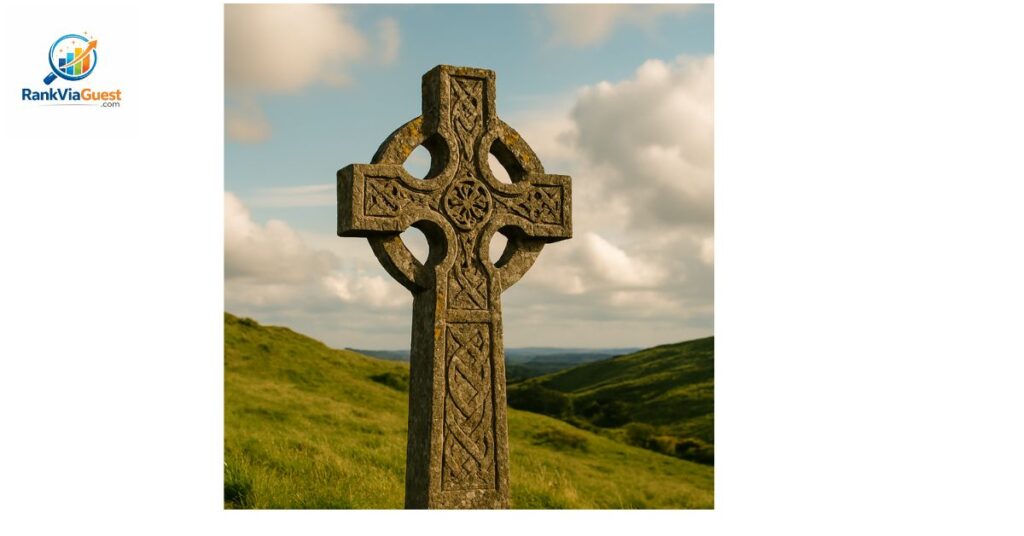
Parents in the USA often choose Tristan for its strength. It represents courage, faith, and joy after sorrow. This is part of parental choice in Christian names.
Families see Tristan as a declaration of hope. It is a name that speaks of prophetic naming, showing trust that God will turn sadness into rejoicing.
Tristan Name Meaning in Hebrew and Greek Contexts
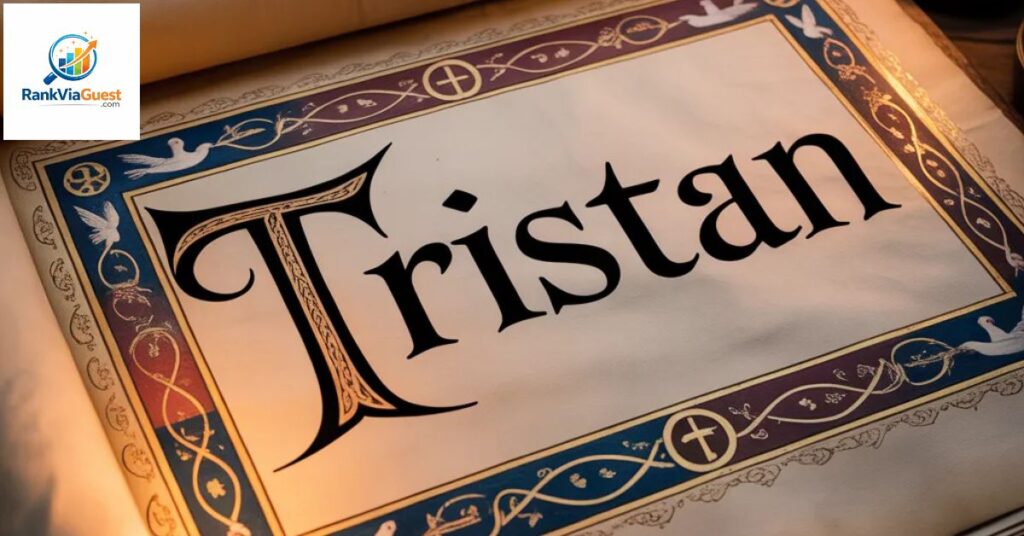
Tristan has no direct Hebrew or Greek translation. Yet Hebrew sorrow concepts (atsab) connect with its meaning. Words like chozeq show strength, while teshuah means salvation.
Greek adds depth. Greek endurance (hypomone) means patient strength. Transformation (metamorphoo) means renewal. These words show how Tristan reflects biblical truth.
The Religious and Cultural Impact of Tristan Through History
Tristan influenced art, music, and literature. The medieval romance of Tristan and Isolde shaped culture. Later, Wagner’s opera gave it new life.
In Christian communities, Tristan became a symbol of cultural heritage. Churches, schools, and families embraced it. In the USA, it remains popular among believers who value names with meaning.
What the Bible Teaches About Names and Identity
The Bible shows that names matter. Abram became Abraham, Jacob became Israel, Saul became Paul. These changes reflected new identity in Scripture.
Tristan aligns with this teaching. It acknowledges sorrow but points to redemption. Parents choosing Tristan declare faith in God’s power to bring restoration.
Bible Verses That Reflect Tristan’s Spiritual Meaning
Several verses capture Tristan’s meaning. Psalm 147:3 says God heals the brokenhearted. Isaiah 43:2 promises His presence in trials. Matthew 5:4 blesses those who mourn.
These verses show how Tristan reflects biblical themes of endurance. They remind believers that sorrow is temporary and joy will come.
Conclusion
Tristan carries a sorrowful meaning yet shines with hope. It reflects spiritual transformation, warrior faith, and covenant love. Though not in Scripture, it aligns with Christian symbolism and Paul’s theology of suffering.
Parents choosing Tristan declare trust in God’s plan. They believe sorrow will turn into joy, just as Ruth’s redemption and Job’s trials proved. Tristan is more than a name. It is a testimony of faith, resilience, and redemptive suffering.
FAQ’s
Is Tristan a biblical name?
No, Tristan isn’t found in the Bible but reflects themes of sorrow and strength.
What is the meaning of the name Tristan?
Tristan means “sad” or “sorrowful,” rooted in the Latin word tristis.
What does Tristan symbolize?
Tristan symbolizes courage, redemptive suffering, and spiritual transformation through trials.
Which Bible name means gift from God?
The name Matthew means “gift of God.”
What is a powerful Bible name for a boy?
Joshua is a strong biblical name meaning “the Lord is salvation.”
What name means favored by God?
Daniel means “God is my judge” and reflects divine favor.
What is a nickname for Tristan?
Common nicknames include Tris, Trist, or Tanny.
What is Tristan known for?
Tristan is known from Arthurian legend as a brave knight in medieval romance tales.
What name means promised by God?
Isaiah means “Yahweh is salvation,” often linked to God’s promises.
